This was the headline in the news section of an excellent UK monthly sailing magazine. Makes you wonder what the hoo-ha is all about? Well apparently there is a proposed anchor ban in Dorset’s Studland Bay. A boat owner’s response group are claiming this is just the tip of the iceberg and that the whole UK coastline is under scrutiny and that this could become the norm.
Apparently the issue is that the sea grass meadows in Studland are being severely damaged by anchors and this is where seahorses breed and they are under threat! The area supports spiny and short-snouted seahorses both of which are protected under the Wildlife and Countryside Act. The discovery of a pregnant seahorse in the bay suggested they could be breeding there. Anchors rip up the sea grass and it can’t regenerate.

In 2001 the EU decreed that coastal conservation zones should be set up. Marine conservation zones (MCZ’s) will mean in the future that sailors anchoring in them could be accused of committing illegal acts by disturbing the seabed and could face penalties some boat owners are claiming.
Now a member of this group describes the conservations as being like 'a many headed dragon with threats, flames and fire bursting out all over'. Strong emotive language indeed. My daughter is studying wildlife conservation at University....I've never quite imagined her in this light before!
Now there has been a voluntary no anchor zone in Studland since 2009 and Crown England have been funding a research project into the destruction of the sea grass meadow. The evidence from this project will be submitted to parliament later this year. Final MCZ proposals will be made in June. Studland is a key anchorage along the south coast and at weekends in summer there are often 300 boats there over the weekend.

It is claimed that a recent ‘sea horse trust’ meeting was gate crashed by an angry abusive mob of sailors who had no evidence to present. The sea horse trust also claim that trust divers surveying the sea grass meadow have been deliberately targeted by motor boaters who tried to run them down in three separate incidents.

So where do I stand on the issue?
Well I haven’t sailed the south coast and looking at the map of where the MCZ might go – I can see that it is the most sheltered part of the bay (against the prevailing south westerlies) – so I can see why it is a popular anchorage. On the other hand, sea horses and undulated rays are under threat and sea grass meadows are a vital ecosystem. 300 anchors each weekend over the summer could be devastating. If there is sufficient evidence that sea horses are being threatened further...then, sorry, as a lifelong conservationist – I’m with the MCZ. If it was proposed that an MCZ was needed in the yealm or Kingsbridge estuary and the scientific evidence supported the need for it – then fair enough...so don’t accuse me of nimby-sm (not in my back yard – for all our overseas readers not familiar with this term).

Of course there could be compromises.....perhaps a ban for part of the year when it is breeding season; perhaps a smaller zone could be designated. Maybe a better national wide survey to assess how important the Studland meadow area is....is it the only one nationally? Are there others which are more extensive in less intensively sailed areas which could be protected? As the UK Government moves towards identifying and designating the new Marine Conservation Zones (MCZ) then surely it is it is vital that voluntary management projects such as this one in Studland must work. Recreational boaters who deliberately anchor there and ignore the voluntary no anchor zone are being foolish. If we can all demonstrate self regulation then there will be no need for legislation.

So what I do find abhorrent is the allegations that conservation meetings were targeted by abusive yachtsmen and divers are being endangered by boaters. Appalling!
Maybe I have missed the point, but as a sailor, one of the joys is being close to nature. It’s more than just feeling the breeze in your hair and sunshine and spume on your face. Sailing gets you closer to nature.......the gannets and seals along my coast; the fish jumping; the wading birds in the little inlets; the occasional porpoise that dances in the bow wave............shouldn’t all sailors be environmentalists and conservationists? Shouldn’t we all have some degree of conservation mindedness? In an age when marinas and pontoons and moorings are spreading along all parts of our coastline.......I think we need to look closely at the need for MCZ’s and make educated, well informed decisions, based on scientific evidence! We have a responsibility for handing over a coastline to future generations which has some pristine areas left. If 6000 sailors are so incensed about not anchoring in Studland bay – then gather the evidence – commission your own conservation surveyors. If anchoring isn’t damaging the grass as much as is being claimed then there is a serious debate to be had....but base the debate on evidence from both sides of the argument!
Steve
Apparently the issue is that the sea grass meadows in Studland are being severely damaged by anchors and this is where seahorses breed and they are under threat! The area supports spiny and short-snouted seahorses both of which are protected under the Wildlife and Countryside Act. The discovery of a pregnant seahorse in the bay suggested they could be breeding there. Anchors rip up the sea grass and it can’t regenerate.

Spiny Seahorse
In 2001 the EU decreed that coastal conservation zones should be set up. Marine conservation zones (MCZ’s) will mean in the future that sailors anchoring in them could be accused of committing illegal acts by disturbing the seabed and could face penalties some boat owners are claiming.
Now a member of this group describes the conservations as being like 'a many headed dragon with threats, flames and fire bursting out all over'. Strong emotive language indeed. My daughter is studying wildlife conservation at University....I've never quite imagined her in this light before!
Now there has been a voluntary no anchor zone in Studland since 2009 and Crown England have been funding a research project into the destruction of the sea grass meadow. The evidence from this project will be submitted to parliament later this year. Final MCZ proposals will be made in June. Studland is a key anchorage along the south coast and at weekends in summer there are often 300 boats there over the weekend.

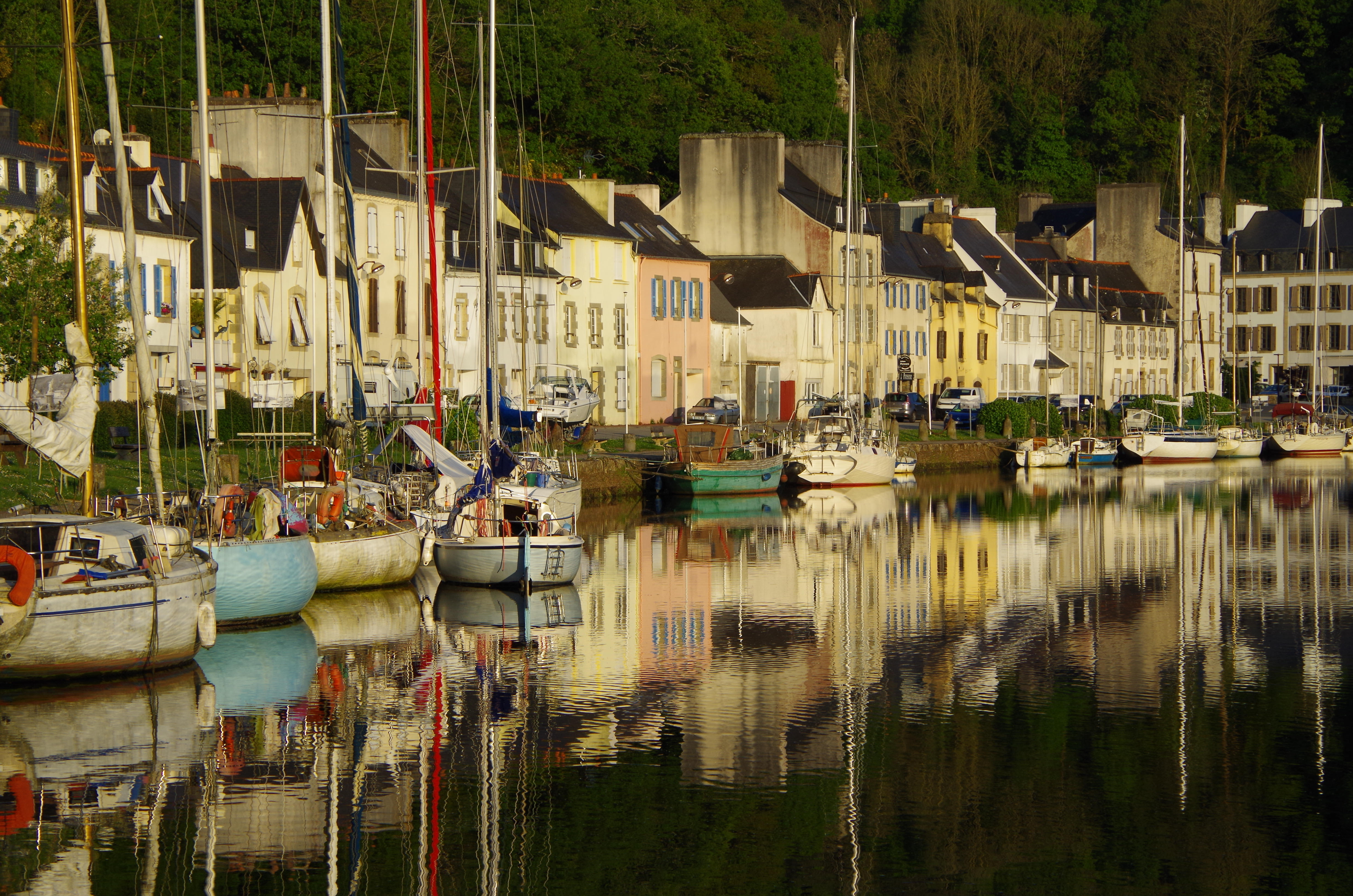
Studland in the summer evening sun Copyright: pgmusgrave
It is claimed that a recent ‘sea horse trust’ meeting was gate crashed by an angry abusive mob of sailors who had no evidence to present. The sea horse trust also claim that trust divers surveying the sea grass meadow have been deliberately targeted by motor boaters who tried to run them down in three separate incidents.

One of the voluntary no anchoring desination buoys
So where do I stand on the issue?
Well I haven’t sailed the south coast and looking at the map of where the MCZ might go – I can see that it is the most sheltered part of the bay (against the prevailing south westerlies) – so I can see why it is a popular anchorage. On the other hand, sea horses and undulated rays are under threat and sea grass meadows are a vital ecosystem. 300 anchors each weekend over the summer could be devastating. If there is sufficient evidence that sea horses are being threatened further...then, sorry, as a lifelong conservationist – I’m with the MCZ. If it was proposed that an MCZ was needed in the yealm or Kingsbridge estuary and the scientific evidence supported the need for it – then fair enough...so don’t accuse me of nimby-sm (not in my back yard – for all our overseas readers not familiar with this term).

A map of the proposed voluntary no anchoring zone
Of course there could be compromises.....perhaps a ban for part of the year when it is breeding season; perhaps a smaller zone could be designated. Maybe a better national wide survey to assess how important the Studland meadow area is....is it the only one nationally? Are there others which are more extensive in less intensively sailed areas which could be protected? As the UK Government moves towards identifying and designating the new Marine Conservation Zones (MCZ) then surely it is it is vital that voluntary management projects such as this one in Studland must work. Recreational boaters who deliberately anchor there and ignore the voluntary no anchor zone are being foolish. If we can all demonstrate self regulation then there will be no need for legislation.

Google earth shows a fair few boats in the anchorage
So what I do find abhorrent is the allegations that conservation meetings were targeted by abusive yachtsmen and divers are being endangered by boaters. Appalling!
Maybe I have missed the point, but as a sailor, one of the joys is being close to nature. It’s more than just feeling the breeze in your hair and sunshine and spume on your face. Sailing gets you closer to nature.......the gannets and seals along my coast; the fish jumping; the wading birds in the little inlets; the occasional porpoise that dances in the bow wave............shouldn’t all sailors be environmentalists and conservationists? Shouldn’t we all have some degree of conservation mindedness? In an age when marinas and pontoons and moorings are spreading along all parts of our coastline.......I think we need to look closely at the need for MCZ’s and make educated, well informed decisions, based on scientific evidence! We have a responsibility for handing over a coastline to future generations which has some pristine areas left. If 6000 sailors are so incensed about not anchoring in Studland bay – then gather the evidence – commission your own conservation surveyors. If anchoring isn’t damaging the grass as much as is being claimed then there is a serious debate to be had....but base the debate on evidence from both sides of the argument!
Steve